How to Start a Perfume Brand in India: Complete 2026 Guide
How to launch a perfume brand in India. From choosing a manufacturing partner and developing fragrances to licensing, packaging, and your first production run with MOQ as low as 1,000 units.
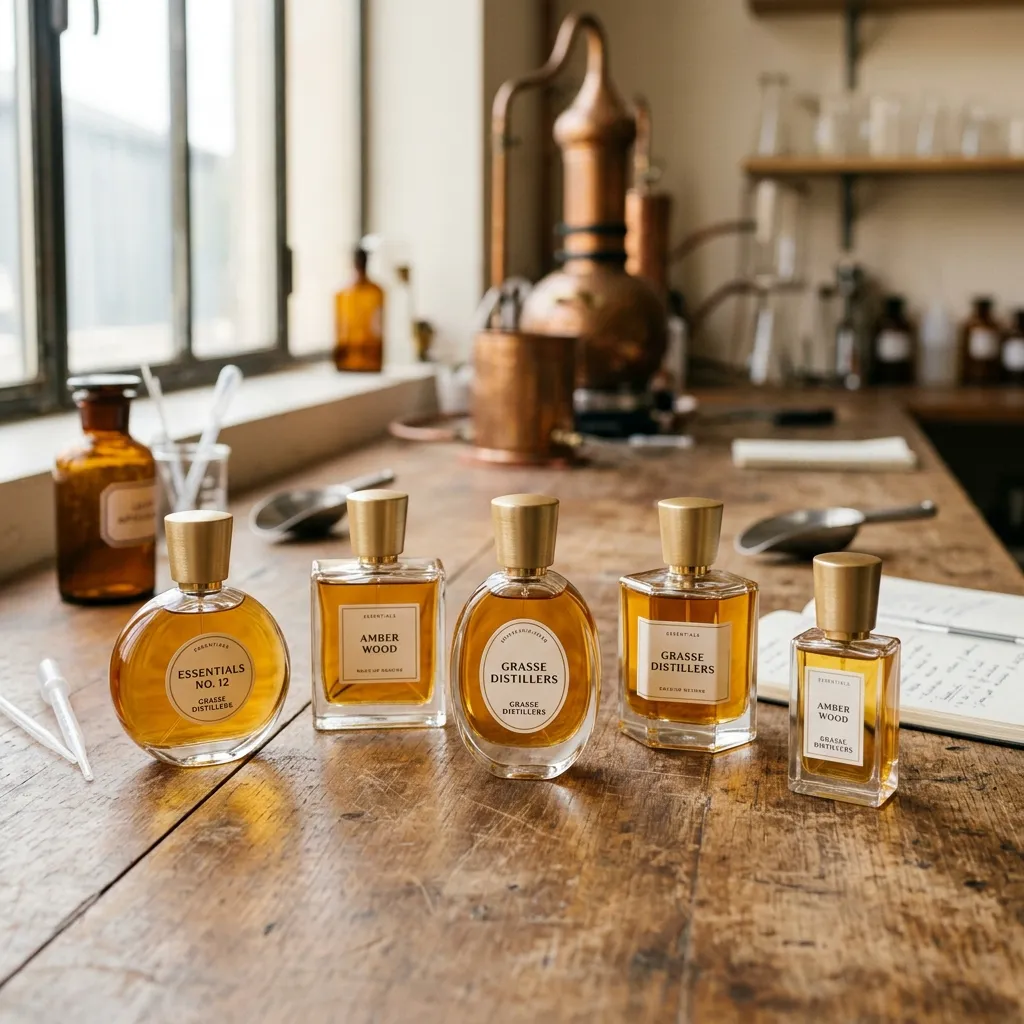
Starting a perfume brand in India has never been more accessible. With private label manufacturing, you can launch a professional fragrance line without building a factory, hiring perfumers, or investing crores in infrastructure. This guide walks you through every step — from concept to your first shipment.
Key Takeaways
- You can launch a perfume brand with an MOQ as low as 1,000 units through a private label manufacturer
- Total initial investment depends on packaging complexity and production volume
- Timeline from concept to delivery: 8–16 weeks with an end-to-end manufacturer
- Essential registrations: GST, Trade Licence, and IEC (for exports)
- India's fragrance market is growing at ~15% CAGR — the opportunity is significant
Step 1: Define Your Brand Positioning
Before approaching a manufacturer, clarify your brand's identity:
Target market — Are you targeting the mass market, premium segment, or luxury segment? Each requires different fragrance concentrations, packaging quality, and pricing strategies.
Product format — Choose your primary format:
| Format | Concentration | Longevity | Price Point | Best For |
|---|---|---|---|---|
| Eau de Parfum (EDP) | 15–20% | 6–8 hours | Premium | D2C brands, gifting |
| Eau de Toilette (EDT) | 5–15% | 3–5 hours | Mid-range | Mass market, retail |
| Attar | 8–15% (oil) | 8–12 hours | Varies | Traditional, regional |
| Body Mist | 1–3% | 1–2 hours | Budget | Quick commerce, Gen Z |
| Car Perfume | Varies | Continuous | Mid-range | Automotive accessories |
Distribution channel — Online (D2C website, Amazon, Flipkart), offline (general trade, modern trade, salons), or both? Your channel determines packaging requirements, pricing structure, and MOQ planning.
Step 2: Choose a Manufacturing Partner
This is the most critical decision. The right manufacturer becomes a long-term partner in your brand's growth.
What to Look for in a Perfume Manufacturer
- End-to-end capability — Fragrance development, bottle manufacturing, cap casting, packaging, filling, and labelling under one roof. This reduces lead times, communication overhead, and quality inconsistencies.
- Low MOQ — For startups, find manufacturers with an MOQ of 1,000–3,000 units. Fragrance & Fashion's MOQ starts at 1,000 units, one of the lowest in India.
- Quality certifications — ISO 9001, IFRA compliance, CE marking, GMP. Ask for certificate copies.
- Portfolio depth — A manufacturer working with 200+ brands has navigated diverse requirements. Ask for case studies.
- Export readiness — If you plan to sell internationally, your manufacturer needs IEC, UN-rated packaging, and familiarity with EU/GCC import regulations.
Questions to Ask Before Signing
- What is your MOQ per SKU?
- Can I visit the facility?
- Do you provide fragrance development or only filling?
- What is the timeline from sampling to delivery?
- Do you handle bottle and packaging manufacturing?
- What certifications do you hold?
- Can you share references from existing clients?
Step 3: Develop Your Fragrances
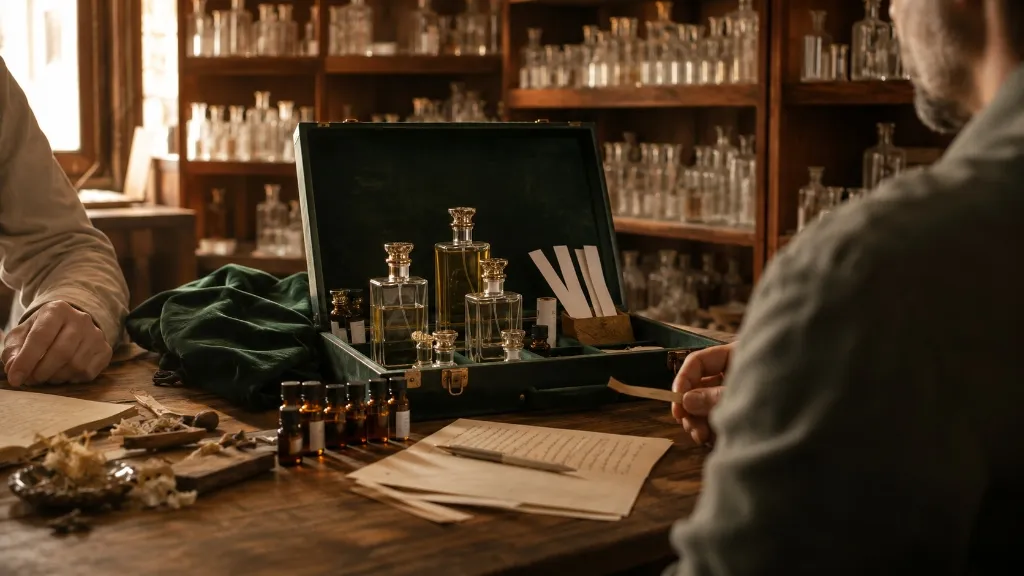
Work with your manufacturer's in-house perfumers to create signature scents:
- Brief submission — Describe your target audience, price point, preferred fragrance families (floral, woody, oriental, fresh, oud), and any reference fragrances
- Sample development — The manufacturer creates 3–6 fragrance samples based on your brief
- Testing and refinement — Test samples with your target audience, provide feedback, and iterate
- Final approval — Lock the fragrance formula, concentration, and costing
- Stability testing — Ensure the fragrance performs well across temperatures and shelf life requirements
The fragrance development process typically takes 2–4 weeks with an experienced manufacturer. At Fragrance & Fashion, our perfumers work from a library of 500+ fragrance bases to accelerate development.
Step 4: Design Your Packaging
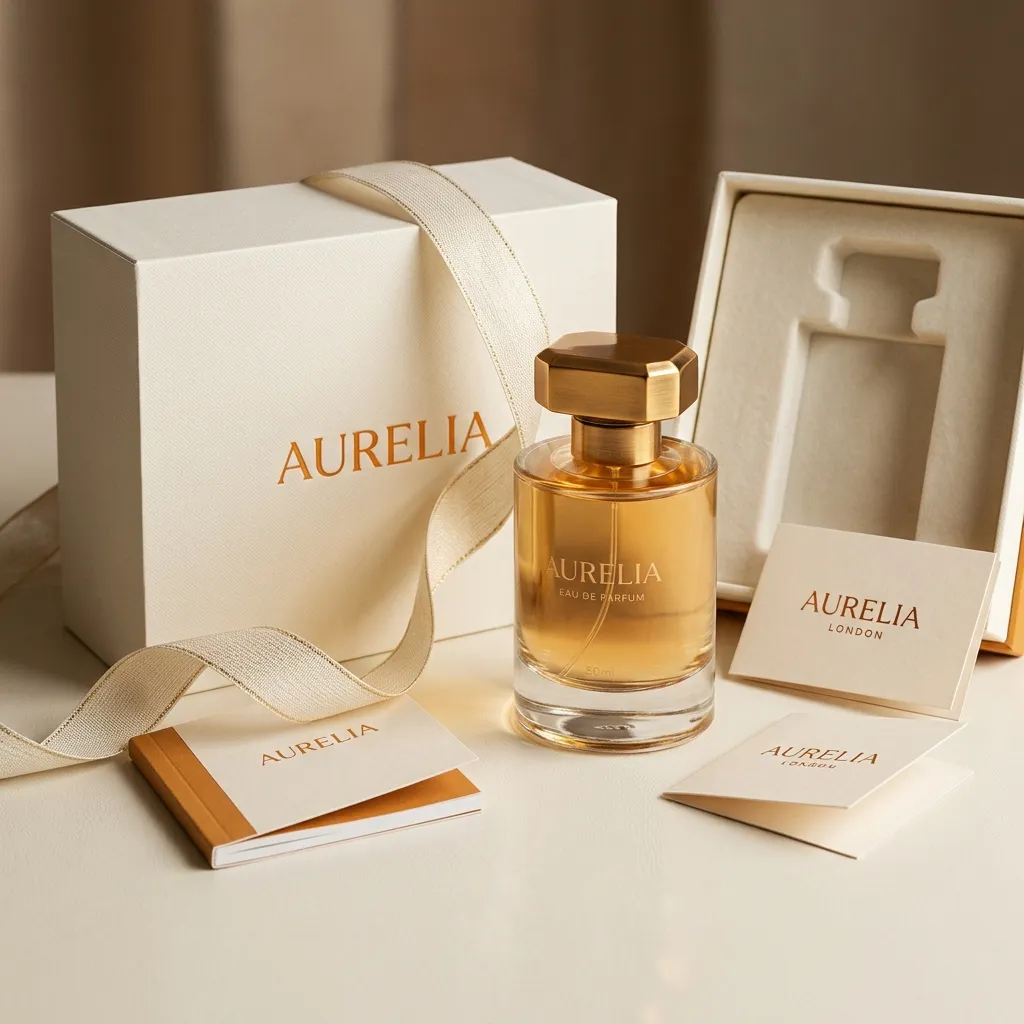
Packaging drives first impressions and shelf appeal. You need to design:
Bottle — Stock bottles (faster, cheaper) or custom moulds (unique, higher MOQ). Stock bottles from an established manufacturer's library can be customised with colour, finish, and decoration.
Cap — Zamac metal caps, ABS plastic, wood, or magnetic closures. The cap contributes significantly to perceived luxury.
Box — Rigid boxes for premium, folding cartons for mid-range, or sleeve packaging for budget lines. Consider our packaging guide for detailed options.
Label/print — Hot stamping, screen printing, UV printing, or paper labels. Each has cost and aesthetic implications.
Step 5: Handle Licensing and Compliance
Mandatory Registrations
| Registration | Authority | Purpose | Timeline |
|---|---|---|---|
| GST Registration | GST Portal | Tax compliance | 7–10 days |
| Trademark | IP India | Brand protection | 6–18 months (filing immediate) |
| Trade Licence | Municipal Corporation | Business authorisation | 15–30 days |
| MSME/Udyam | MSME Ministry | Government benefits, subsidies | Instant |
| IEC Code | DGFT | Import/export operations | 3–5 days |
Quality Compliance
- IFRA standards — Your manufacturer must comply with IFRA (International Fragrance Association) guidelines that restrict or ban certain ingredients. This is non-negotiable for consumer safety.
- BIS standards — Bureau of Indian Standards has specific requirements for perfumery products sold domestically.
- Labelling requirements — Ingredient list (INCI names), batch number, manufacturing date, expiry/best-before date, manufacturer details, net quantity, and MRP.
Step 6: Plan Your Costing Strategy
A typical cost breakdown for a private label EDP (100 ml):
| Component | % of Total Cost |
|---|---|
| Fragrance (juice) | 15–25% |
| Glass bottle | 7–12% |
| Cap | 8–12% |
| Packaging box | 15–20% |
| Filling & assembly | 5–8% |
| Label & decoration | 4–6% |
Pricing formula: Manufacturing cost × 3–5x = MRP. Your final retail price will depend on your brand positioning and distribution channel margins.
Step 7: Launch and Scale
Pre-launch checklist
- Fragrances approved and stability-tested
- Packaging designed, proofed, and production-ready
- GST and trade licences obtained
- Product photography and marketing collateral ready
- E-commerce platform set up (Shopify, WooCommerce, or marketplace listings)
- Distribution agreements in place (if offline)
Scaling your brand
Once your first batch sells through, scaling becomes straightforward with the right manufacturer:
- Increase order volumes — Higher volumes reduce per-unit costs significantly
- Expand your range — Add new fragrances, formats (EDT, attar, body mist), and sizes
- Enter new channels — Move from D2C to modern trade, from domestic to export markets
- Seasonal collections — Limited editions and festive packaging drive repeat purchases
Common Mistakes to Avoid
- Over-investing in packaging before validating the fragrance — Start with stock bottles and simple packaging. Upgrade once you know which fragrances resonate.
- Ignoring compliance — IFRA violations can lead to product recalls and legal liability. Always work with a certified manufacturer.
- Setting MOQ too high for first order — Start with 1,000 units per SKU to test the market before committing to large volumes.
- Copying existing fragrances instead of developing originals — Duplication invites legal risk and brand dilution. Invest in original compositions.
- Neglecting branding — The Indian perfume market is crowded. Distinctive branding, storytelling, and packaging differentiate your brand.
Why Work with Fragrance & Fashion?
Fragrance & Fashion is a private label perfume manufacturer based in Moriya, Ahmedabad, with a fourth-generation legacy in perfumery. We offer:
- End-to-end manufacturing — Fragrance development, bottle manufacturing, cap casting, packaging, filling, and labelling under one roof
- India's lowest MOQ — Start with just 1,000 units
- 240+ brands launched — From first-time founders to established houses
- 12+ export markets — EU, UK, GCC, US, Canada, Australia, SE Asia, Africa
- Certified quality — ISO 9001, IFRA, CE, FDA, UN-rated packaging
Ready to start your perfume brand? Send us a brief or chat on WhatsApp.
Frequently Asked Questions
A small perfume brand in India can get off the ground with investment covering sampling, a first production run (MOQ 1,000 units), packaging, and initial branding. Private label manufacturing through a partner like Fragrance & Fashion keeps capital low — no factory buildout, no perfumery equipment, no raw material stock.
MOQ stands for Minimum Order Quantity — the smallest batch a manufacturer will run. Fragrance & Fashion's MOQ sits at 1,000 units, among the lowest in Indian perfume manufacturing. That number lets startups test the market without committing to warehouse-filling volumes.
Yes. You need a GST registration, a trade licence from your local municipal authority, and an FSSAI licence is NOT required for perfumes (it's for food products). For exports, you'll need an IEC (Import Export Code) from DGFT. Your manufacturer should provide IFRA compliance certificates and safety data sheets for each fragrance.
From concept to first delivery, expect 8–16 weeks when working with an experienced manufacturer. This includes fragrance development (2–4 weeks), sampling and approval (2–3 weeks), packaging design and tooling (2–4 weeks), and production (2–4 weeks). Fragrance & Fashion's end-to-end facility in Ahmedabad can compress timelines since everything happens under one roof.
Yes — and most do exactly that. The majority of perfume brands in India and worldwide don't own factories. They work with private label manufacturers who handle fragrance development, bottle production, filling, packaging, and QC. The brand owner focuses on marketing, distribution, and the customer relationship.
Look for ISO 9001 quality management, IFRA (International Fragrance Association) compliance for safety standards, CE marking for European exports, GMP (Good Manufacturing Practices), and BIS certification for domestic sales. For exports, UN-rated packaging certification is essential.
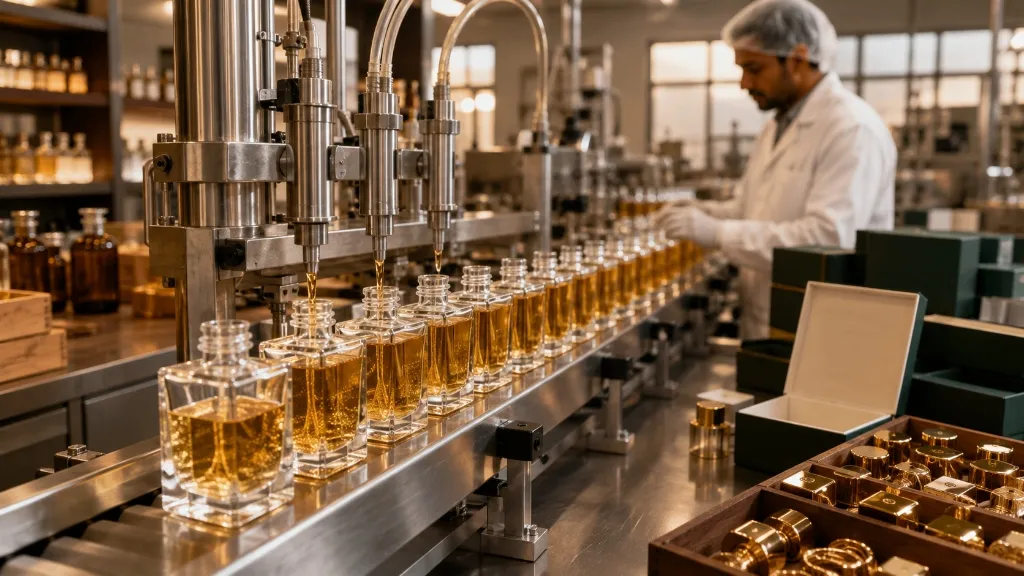 Private Label
Private Label Perfume Manufacturer: How to Choose the Right Partner in India
How to choose a private label perfume manufacturer in India. What to look for in capabilities, MOQ, certifications, pricing models, and what end-to-end manufacturing actually includes.
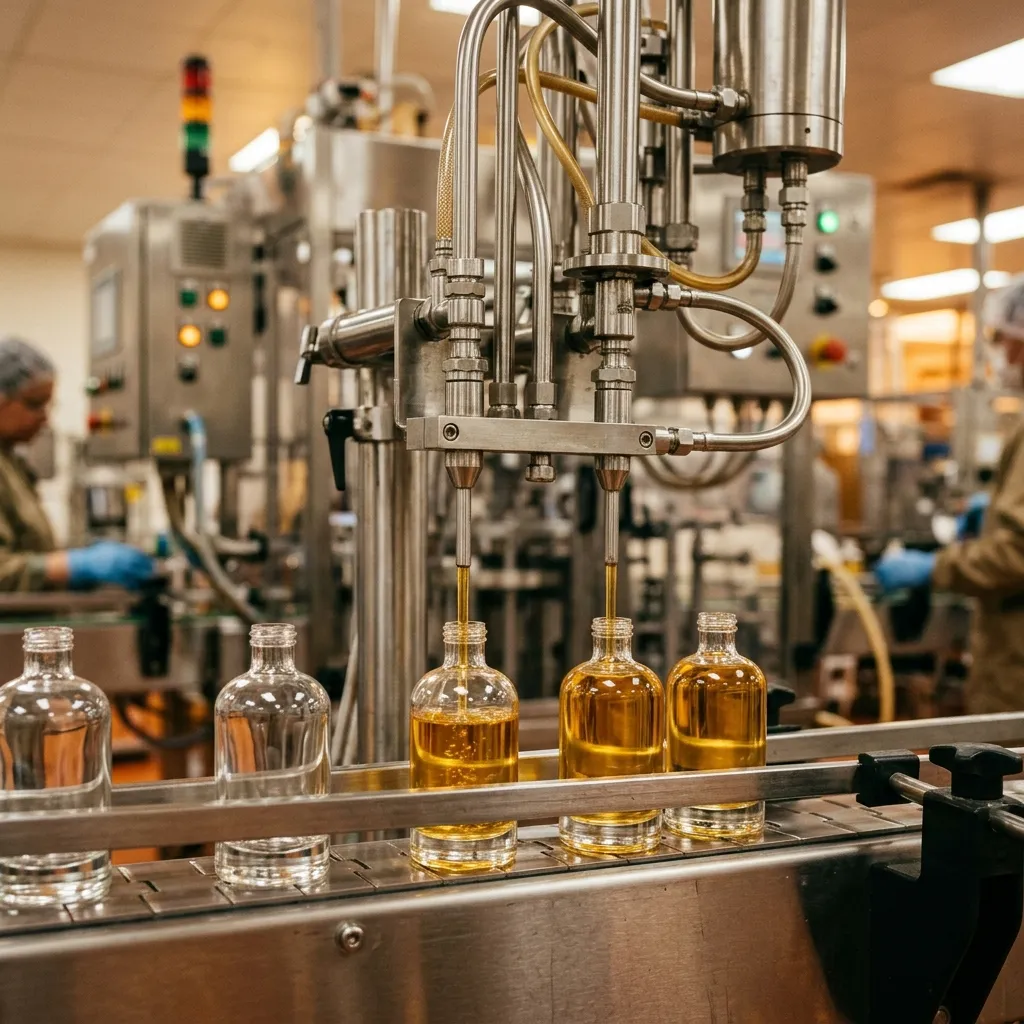 Perfume Manufacturing
Perfume Manufacturing Process: 6 Steps from Fragrance to Finished Product
A detailed look at the perfume manufacturing process, from fragrance composition to retail-ready packaging. Understand how private label perfumes are made in a modern facility.
 Packaging
Perfume Packaging Guide: Materials, Design, and Cost Breakdown
Perfume packaging explained: bottles, caps, rigid boxes, inserts, labels, and finishing techniques. Covers materials, per-unit cost structures, MOQ, and design decisions for private label brands.